As a holistic practitioner, one of the most common patterns I see in patients is this:
They are doing everything right—nutrition, supplements, detox protocols—yet they still feel stuck in cycles of fatigue, inflammation, anxiety, or emotional disconnection.
At some point, we have to ask a deeper question:
Is the body actually receiving the signal that it is safe enough to heal?
Because if that signal is missing, the physiology will remain in survival mode—no matter how “perfect” the protocol looks on paper.
This is where oxytocin becomes one of the most important and most overlooked pieces of the healing process.
Oxytocin: More Than a “Love Hormone”
Oxytocin is far more than a bonding hormone. It functions as:
• A neurotransmitter influencing mood, trust, and emotional regulation
• A hormone regulating stress physiology and parasympathetic activation
• A potent anti-inflammatory signaling molecule
• A primary regulator of the autonomic nervous system
I view oxytocin as a biological safety signal.
It tells the body: “You can come out of survival mode. You can repair. You can connect.”
Why So Many People Are Functionally Depleted
Most patients today are not deficient because their bodies cannot produce oxytocin—
they are depleted because their environment and nervous system do not trigger their release.
Chronic sympathetic activation (fight-or-flight) suppresses oxytocin pathways.
This is driven by:
• Ongoing stress and elevated cortisol
• Unresolved emotional trauma stored in the nervous system
• Low levels of physical touch and connection
• High screen time and sensory overload
• A persistent internal perception of “not safe.”
Over time, this creates a physiology that is:
• Inflammatory
• Hypervigilant or shut down
• Disconnected from self and others
• Unable to fully access repair mechanisms
This is not a character flaw.
This is a nervous system state.
The Physiology of Healing: Why Oxytocin Matters
When oxytocin is low, the body prioritizes survival:
• Cortisol remains elevated
• Inflammatory pathways stay active
• Mitochondrial energy is diverted toward defense, not repair
• Immune regulation becomes compromised
When oxytocin is supported, the physiology shifts:
• The parasympathetic nervous system activates
• Inflammation decreases
• Tissue repair accelerates
• Immune surveillance improves
• Mitochondrial energy can be redirected toward healing
This is why patients often report:
“I finally feel like myself again.”
Oxytocin as the Bridge Between Body and Brain
Oxytocin is uniquely positioned because it bridges emotional experience with physical biology.
Produced in the hypothalamus and released through the pituitary gland, oxytocin acts as a hormone in the body, influencing:
• Labor and postpartum recovery
• Breastfeeding and maternal-infant bonding
• Regulation of stress hormones, including cortisol
Within the brain, oxytocin also functions as a neurotransmitter, where it supports:
• Trust and emotional openness
• Mood stability
• Reduction in anxiety and fear responses
This dual role is what makes oxytocin so powerful. It directly connects what you feel with how your body functions.
This is why true, lasting healing must address both biochemistry and emotional regulation simultaneously.
My Postpartum Oxytocin Observation
One of the most profound examples of oxytocin’s impact is seen postpartum.
After my second baby, I intentionally supported oxytocin through:
• Skin-to-skin contact
• Breastfeeding
• Deep emotional bonding
• Targeted nutritional and biochemical support including E3 Live and Brain On Supreme
Within days, the difference was undeniable—
faster recovery, elevated mood, and a deeply regulated nervous system.
From a physiological standpoint, this aligns with what we know:
Oxytocin surges after birth—especially with touch, eye contact, and bonding—temporarily overriding stress physiology and placing the body into an optimal healing state.
When that state is supported and sustained, healing accelerates.
The Nervous System Component Most Protocols Miss
In my 1-on-1 Cerebral Detox program, I am a huge fan of all the supplements and other biohacking products like most practitioners, but protocols fall short without this in mind—You cannot supplement your way out of a nervous system that is constantly signaling danger.
The brainstem plays a central role in determining whether the body is in:
• Survival (fight, flight, freeze, fawn)
• Or safety (rest, repair, connect)
In my work with Biofield Tuning, I focus on patterns stored within the autonomic nervous system—particularly in areas correlating to the brainstem and stress-response pathways.
When these patterns are addressed, patients often experience:
• A rapid drop in internal stress
• Increased clarity and presence
• Emotional release
• A natural return of connection and creativity
Physiologically, what we are seeing is the body finally receiving a signal of safety, allowing oxytocin pathways to come back online.
Supporting Oxytocin Biochemically
Once the nervous system is supported, we can layer in biochemical support.
One important compound is phenylethylamine (PEA), which influences:
• Mood and motivation
• Dopamine pathways
• Emotional engagement and connection
This indirectly supports oxytocin activity.
Testing, such as a neurotransmitter panel, can help identify imbalances in:
• Oxytocin
• PEA
• Other key neurotransmitters
Allowing for a more personalized approach.
Foundational Ways to Increase Oxytocin
Before supplementation, I always emphasize foundational inputs that signal safety:
• Healthy Physical touch (hugging, skin-to-skin with babies, etc)
• Eye contact and presence
• Slow, regulated breathing
• Prayer, meditation, or stillness
• Singing or sound-based practices
• Genuine emotional connection
These are not “extra”—they are biological requirements for optimal function.
Additional Biochemical Support for Oxytocin
For individuals needing deeper support, a layered approach can be beneficial.
- E3 Live – provides foundational nutrients and natural PEA
- Brain On Supreme – supports phenylethylamine (PEA), influencing mood and connection
- Simply Hypothalamus – supports the gland responsible for oxytocin production
Supporting Oxytocin Production on a Frequency Level
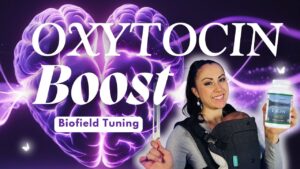
Because this nervous system piece is so critical—and often the missing link—I’ve begun adding one-off Biofield Tuning sessions to my digital library.
This allows you to access this level of work in a much more affordable and practical way.
I recently released the Oxytocin Boost Session, specifically designed to:
• Shift the body out of survival mode
• Increase feelings of safety and connection
• Support bonding (especially postpartum or in relationships)
• Reduce stress and emotional overwhelm
• Help the nervous system move into a state where healing can actually occur
When oxytocin is low, patients often feel:
• Guarded
• Disconnected
• Overstimulated or shut down
This session targets that root pattern—so the body can begin to respond differently.
Essential Oils to Support Oxytocin and Nervous System Regulation
From a holistic perspective, essential oils can be a powerful tool for influencing oxytocin pathways because they interact directly with the limbic system—the part of the brain that governs emotion, memory, and safety perception.
When used intentionally, they can help shift the nervous system out of stress and into a more receptive, parasympathetic state where oxytocin can naturally rise.
These three targeted oils can be considered to support oxytocin production:
- Limbic Reset – Helps clear stored emotional stress patterns and promotes a sense of internal safety.
- Parasympathetic Oil – Supports the body in activating rest-and-digest physiology and releasing tension.
- Hypothalamus Oil – Provides gentle support to the gland responsible for oxytocin production and overall hormonal balance.
When layered alongside nervous system work and intentional connection practices, these oils act as signaling tools—helping the brain and body recognize that it is safe to soften, connect, and heal.
Final Perspective
From a holistic practitioner’s standpoint, healing is not just about removing toxins or adding supplements.
It is about restoring the body’s ability to recognize:
“I am safe enough to heal.”
Oxytocin is one of the primary biochemical signals of that state.
When you support it—through the nervous system, biochemistry, and frequency—you are not just improving how you feel…
You are fundamentally changing how your body functions.